
Why do St. Charles County homes test high for radon?
Radon can enter where a house meets the ground. Missouri DHSS reports radon in every county; its county dashboard includes St. Charles County testing data. Those measurements describe tested homes, not a guarantee about the house beside them.
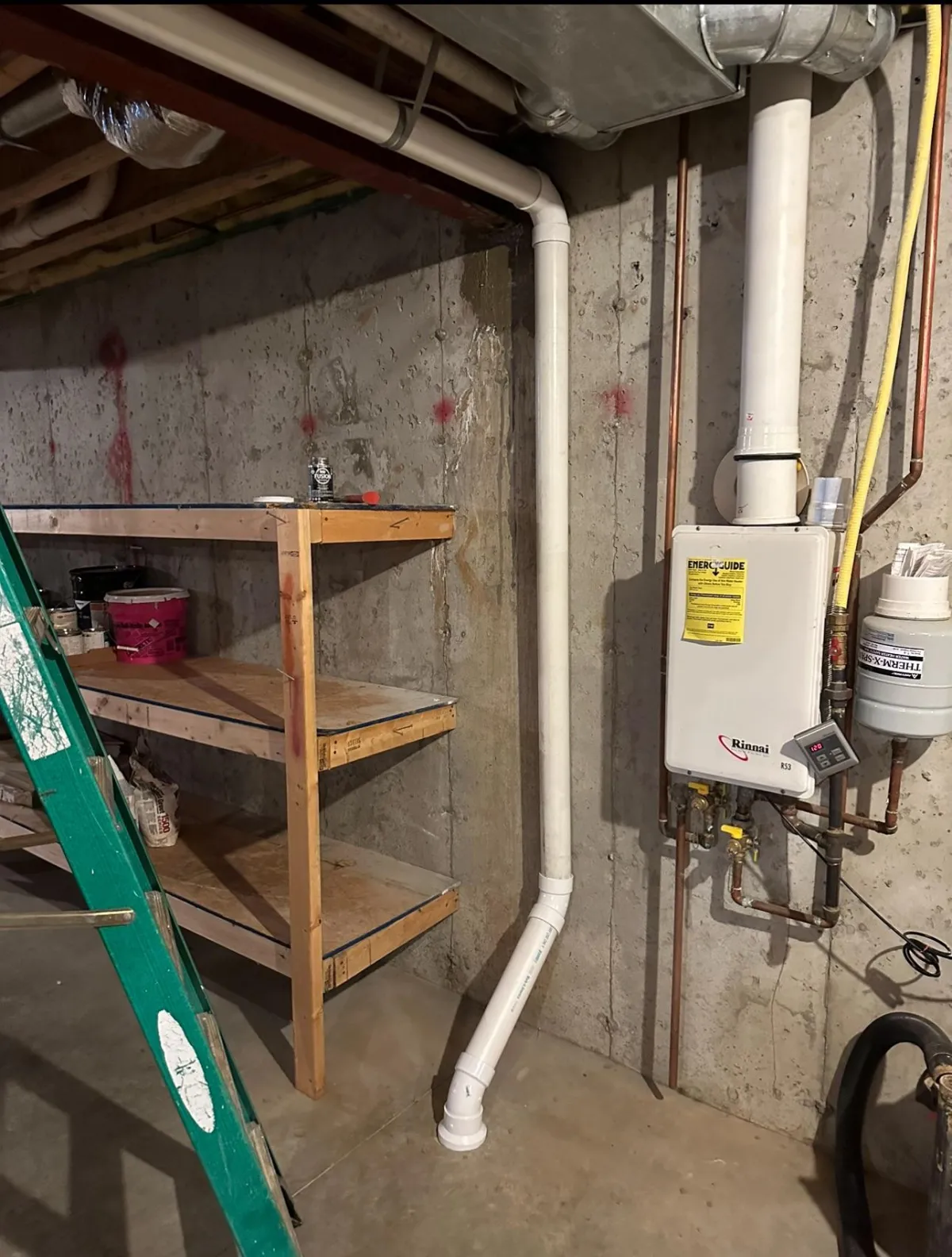
For a homeowner in St. Peters or Wentzville, a newer construction date is no substitute for a result. Bring the report and any builder documents to the assessment. A visible radon pipe is useful information, but it does not tell you whether a fan is present or whether the system has been tested.
- Locate the current test report.
- Photograph any pipe labeled for radon.
- Note basement additions and finished rooms.
How is radon mitigated in a newer St. Charles County home?
A mitigation plan connects the foundation assessment to a proposed suction point and discharge route. Existing drain tile, a sump and passive piping are details to inspect, not reasons to promise a particular installation before visiting.
Ask for the proposed route to be marked out before agreeing to the work. A garage route, utility-room route and exterior route can involve different access and finish work. For an older St. Charles property with irregular foundation walls, bring photographs rather than assuming a new-subdivision layout applies.
- Identify each slab and crawl space.
- Discuss access to the sump and electrical supply.
- Record who arranges the post-installation test.
What does radon mitigation cost in St. Charles County?
Air Sense publishes a standard active sub-slab system range of $1,100 to $3,200. That is a planning range, not a St. Charles County fixed price. Ask for a written scope identifying the route, suction points, electrical work and testing arrangements.
A passive-system assessment or unusual foundation needs its own quote. Comparing only a bottom-line number can hide differences in included finish repairs, access work or follow-up responsibilities.
How do you check a radon contractor in St. Charles County?
Check the individual doing the work and ask how the result will be verified. Request current credentials directly and verify them with the issuing organization. An attractive pipe installation and a running fan do not replace a radon measurement.
- Ask who will perform the installation.
- Request a clear description of testing responsibility.
- Keep equipment and warranty documents together.
Communities we serve in St. Charles County
Air Sense Environmental is the provider behind this website. Discuss your address, project type and timing when requesting a visit. City names help organize an inquiry; they are not separate offices or promises of immediate availability.
- St. Charles and St. Peters
- O’Fallon, Missouri and Wentzville
- Lake Saint Louis and Cottleville
Questions before you book
Does a passive pipe mean my house has been mitigated?
A passive pipe is a radon-resistant feature. Its presence does not demonstrate the current radon concentration. Find the test report and ask whether the pipe has an active fan.
What should I send with an estimate request?
Send the property address, radon report, foundation description and photos of existing piping or the sump. Mention any inspection deadline.